
WHAT YOU NEED TO KNOW
A tasting menu is a highly orchestrated multi-course meal designed by a chef to showcase their signature style, which requires you to trust the kitchen completely in exchange for an unparalleled culinary narrative. If you are wondering what to expect from a tasting menu, prepare for a curated, slow-paced event that is as much about performance and technique as it is about nourishment.
- Expect to enjoy between eight and 15 distinct courses over a duration of two to four hours.
- Portion sizes are kept small, typically consisting of two to three bites per dish, allowing you to sample a wide array of flavors without feeling overextended.
- Financially, a standard tasting menu in 2026 averages between $150 and $450 per person, with premium beverage pairings often doubling that baseline cost.
Your overall enjoyment will depend largely on your willingness to embrace unfamiliar ingredients and step outside your culinary comfort zone.
What is a Tasting Menu?
A tasting menu, or menu dégustation, is a collection of small dishes served by a restaurant as a single, cohesive meal. It allows the culinary team to show off their range, sourcing, and technical prowess without the constraints of a traditional format. I remember my first experience with this style, where a sequence of tiny, beautiful plates made me realize that dining could be a form of theater.
How Does a Tasting Menu Compare to À La Carte Dining?
A tasting menu offers a pre-selected sequence of dishes chosen by the chef, whereas à la carte dining allows you to select individual starters, mains, and desserts from a larger menu. While à la carte gives you complete control over your meal, a tasting menu provides a curated journey where the kitchen controls the narrative. This structural difference impacts everything from your budget to the total time spent at the table.
| Attribute | Tasting Menu | À La Carte Dining |
|---|---|---|
| Control | The chef selects every course and ingredient sequence. | You choose your own starters, mains, and desserts. |
| Variety | High variety, ranging from eight to 15 different small plates. | Lower variety, usually limited to two to three larger dishes. |
| Pacing | Slow and deliberate, typically lasting two to four hours. | Standard pace, usually completed in one to two hours. |
| Cost in 2026 | Higher entry point, typically $150 to $450 per person. | More flexible, with options to control total spend. |
What Are the Average Course Numbers and Portion Sizes?
A typical tasting menu features between eight and 15 courses, though some ultra-luxurious menus can stretch up to 20 distinct presentations. The portion size of each course is intentionally small, often designed to be eaten in just two to three bites. The goal is to provide a complete taste profile without making you feel uncomfortably full.
- Amuse-bouche: A single-bite greeting from the kitchen designed to awaken your palate.
- Savory courses: A progression of cold appetizers, warm starters, fish, and meat dishes.
- Palate cleansers: Light, refreshing bites like sorbet or herbal infusions served before dessert.
- Sweet courses: A main dessert followed by mignardises, which are bite-sized pastries or chocolates.
What to Expect From a Tasting Menu Experience?
Entering a restaurant for a tasting menu means stepping into a carefully choreographed event where the kitchen and service staff work in perfect harmony. You should expect an environment focused on sensory engagement, where every detail is deliberate. According to the Michelin Guide, the consistency and flow of the meal are critical to earning their coveted stars.
How Do the Progression of Flavors and Pacing Work?
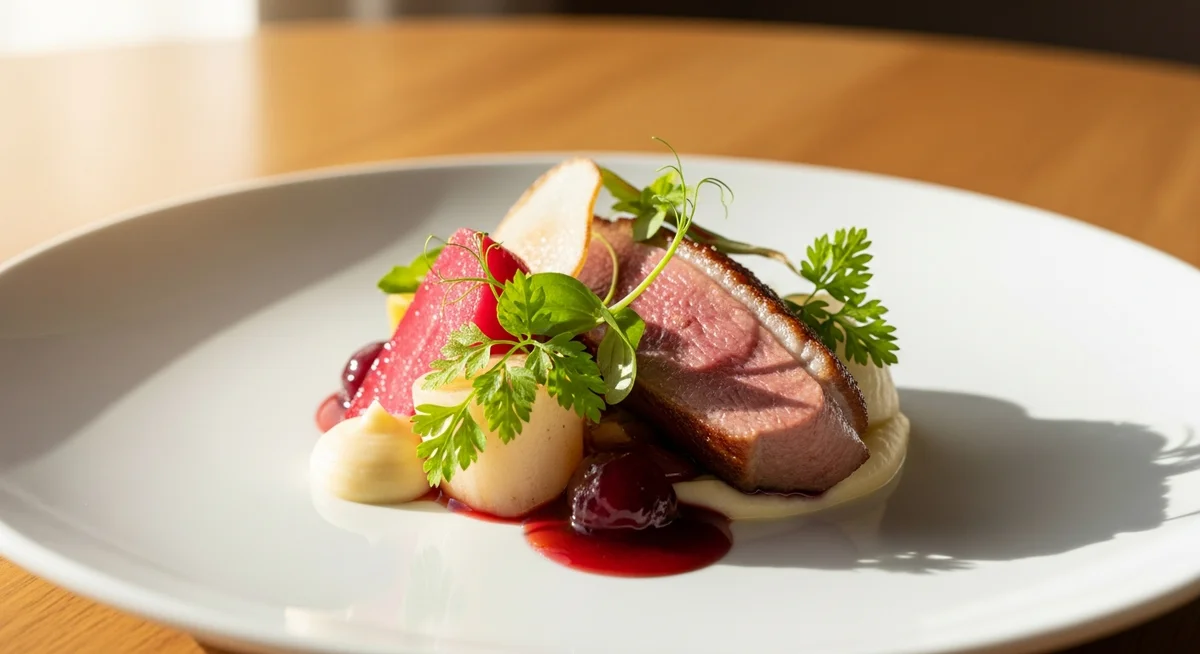
The meal is structured to start with light, delicate flavors and build toward rich, intense profiles. You will begin with cold, acidic, or salty bites before moving into heavier seafood and meat courses, ending with sweet profiles. The pacing is deliberate, with about 10 to 15 minutes of breathing room between plates to let your palate reset. I once dined at a restaurant where the tempo felt like a musical crescendo, moving from airy cucumber gelées to a robust, smoky dry-aged duck.
Should You Opt for Wine and Beverage Pairings?
Beverage pairings are curated lists of wines, sakes, or non-alcoholic elixirs selected by the sommelier to complement the flavor profiles of each specific course. Opting for a pairing enhances the food by cutting through rich fats or highlighting delicate sweet notes, but it also increases your total alcohol intake significantly. If you choose the full pairing, you might consume the equivalent of four to six glasses of wine over the course of the evening. To prevent fatigue or excessive intoxication, many establishments in 2026 offer half-pour options or sophisticated non-alcoholic pairings made from fermented juices and botanical tea infusions.
What is the Service and Culinary Presentation Like?
The service during a tasting menu is highly attentive, with staff members frequently presenting dishes, clearing plates, and refreshing water. Chefs or servers will describe each course as it arrives, highlighting key ingredients, preparation techniques, and instructions on how to eat it. Do not be surprised if a dish arrives with dynamic elements, such as dry ice vapor, table-poured broths, or interactive components that require your participation. Serious Eats notes that this direct interaction between the service team and the diner helps demystify complex culinary techniques.
How Should You Prepare for a Tasting Menu?
Preparing for a multi-course dinner involves setting expectations for your appetite, dress code, and dining schedule. A little advance preparation ensures that you can focus entirely on the culinary craftsmanship without feeling physically uncomfortable or rushed. It is best to treat the evening as a major event rather than a standard dinner.
How Are Dietary Restrictions and Substitutions Handled?
High-end restaurants are generally accommodating of severe allergies and dietary needs, provided you inform them at least 48 hours in advance. Because these menus are highly complex and rely on precise ingredient prep, kitchens cannot easily make last-minute changes on the night of your reservation. Before booking, you should review the restaurant’s booking terms and legal notice regarding cancellation policies. If you have extreme dietary restrictions, some venues may request you review their digital booking form, where details are collected securely under their privacy policy guidelines.
How Do You Prepare Your Appetite and What Should You Wear?
Managing your physical comfort is essential when consuming a massive amount of rich food over several hours. To make it through an extensive multi-course meal, you must balance your hydration and energy levels before arriving. I have learned that wearing restrictive clothing can turn a luxurious evening into an uncomfortable endurance test.
- Appetite preparation: Eat a light, protein-rich lunch and stay well-hydrated throughout the day, but do not starve yourself, as an empty, acidic stomach can struggle with rich, multi-course meals.
- Comfortable attire: Opt for clothing with some stretch at the waistline, such as loose dresses, tailored trousers, or unstructured jackets, and avoid tight belts or restrictive jeans.
- Footwear selection: Wear comfortable shoes, especially if you plan to walk around the restaurant or visit the washrooms, which often feature stunning architectural details.
What Are the Time and Financial Commitments?
Dining on a tasting menu requires a significant investment of both your time and your bank account. In 2026, fine dining has become more specialized, meaning you should plan your budget and schedule with realistic expectations. These meals are long-term experiences that should never be rushed, and menu details change frequently, so make sure to check before you go.
- Time allocation: Block out at least three to four hours on your schedule to ensure you do not have to rush through the final dessert courses.
- Financial budgeting: Account for the base price of the menu, beverage pairings, a standard 18% to 22% gratuity, and local taxes, which can add up to 30% or more to the initial ticket price.
- Cancellation fees: Keep in mind that many top-tier restaurants require non-refundable deposits or full prepayment at the time of booking.
What Can You Expect from a Wedding Menu Tasting?
A wedding menu tasting is a highly practical, structured meeting designed to help you select the culinary options for your reception guests. Unlike a restaurant tasting menu, which is built for entertainment, a wedding tasting is a collaborative workspace where you collaborate directly with your caterer. It is your primary opportunity to refine flavors, adjust presentations, and finalize the dining logistics for your event.
How Does a Wedding Tasting Work?
During a wedding tasting, you and a small group, usually the couple and sometimes their wedding planner or parents, will sample a variety of appetizers, main courses, and desserts. The culinary team will prepare multiple options for you to compare side-by-side, allowing you to choose the best pairings. You will evaluate not only the flavor profiles but also how well each dish can be replicated at scale for 100 or more guests.
What Are the Essential Questions to Ask Your Caterer?
To get the most value out of your tasting session, you must look beyond the immediate flavor and address the execution logistics. Asking detailed operational questions ensures there are no surprises when feeding a large crowd. Use this opportunity to understand the kitchen’s capabilities and structural limitations.
- What ingredients are seasonal?: Confirm if the ingredients tasted today will be identical on your actual wedding date.
- How are dietary needs handled?: Ask how the culinary team manages gluten-free, vegan, or nut-free alternatives on a large scale.
- What is the staff-to-guest ratio?: Ensure there are enough servers to deliver hot plates to all tables simultaneously.
- Can presentation details be customized?: Inquire if you can modify plate garnishes, sauces, or serving vessels to match your wedding aesthetic.