
THE ESSENTIAL
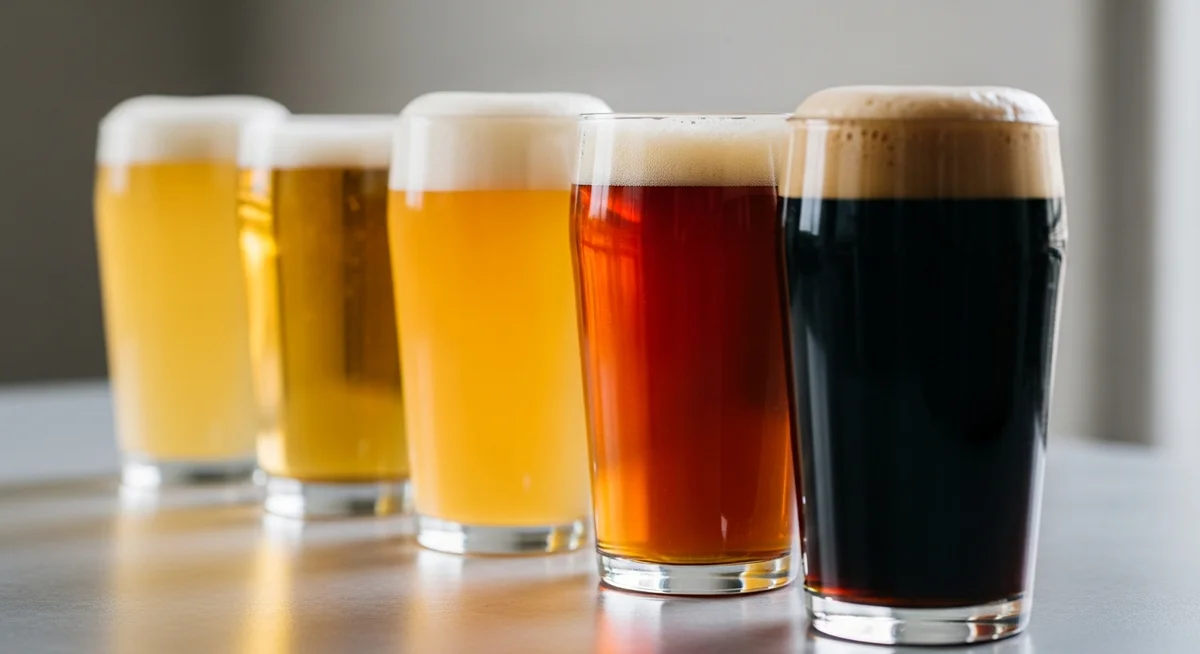
Finding your perfect craft beer is a matter of understanding how yeast, hops, and malts interact to shape the flavor profile in your glass.
- Modern beer evaluation recognizes over 150 different types of craft beer split across two main fermentation families.
- According to the official Brewers Association guidelines, beer color spans a standard reference method scale from 2 to over 40 units.
- Most craft beers fall within an alcohol range of 3% to 12% ABV, allowing for highly varied drinking experiences.
Ultimately, your personal preference for bitterness versus sweetness remains the most important factor when navigating this craft beer styles guide.
Ales vs. Lagers: What Is the Difference Between the Two Main Beer Families?
The main difference between ales and lagers lies in the type of yeast used and the temperature at which fermentation occurs. Ales are fermented with top-fermenting yeast at warmer temperatures, whereas lagers use bottom-fermenting yeast at cooler temperatures. This fundamental division dictates the entire brewing process and the final flavor profile of each beer family.
Warm fermentation creates esters that give ales fruity and complex aromas. Cold fermentation creates a clean profile that allows the malt and hop characters of lagers to shine. This cold-aging process also requires more time, resulting in the crisp finish that lagers are famous for.
| Beer Family | Yeast Type | Fermentation Temp | Common Flavors | Classic Example |
|---|---|---|---|---|
| Ale | Top-fermenting (S. cerevisiae) | Warm (60 to 75 Fahrenheit) | Fruity, spicy, robust, hoppy | India Pale Ale (IPA) |
| Lager | Bottom-fermenting (S. pastorianus) | Cold (45 to 55 Fahrenheit) | Clean, crisp, bready, floral | German Pilsner |
What Are the Common Craft Ale Styles?
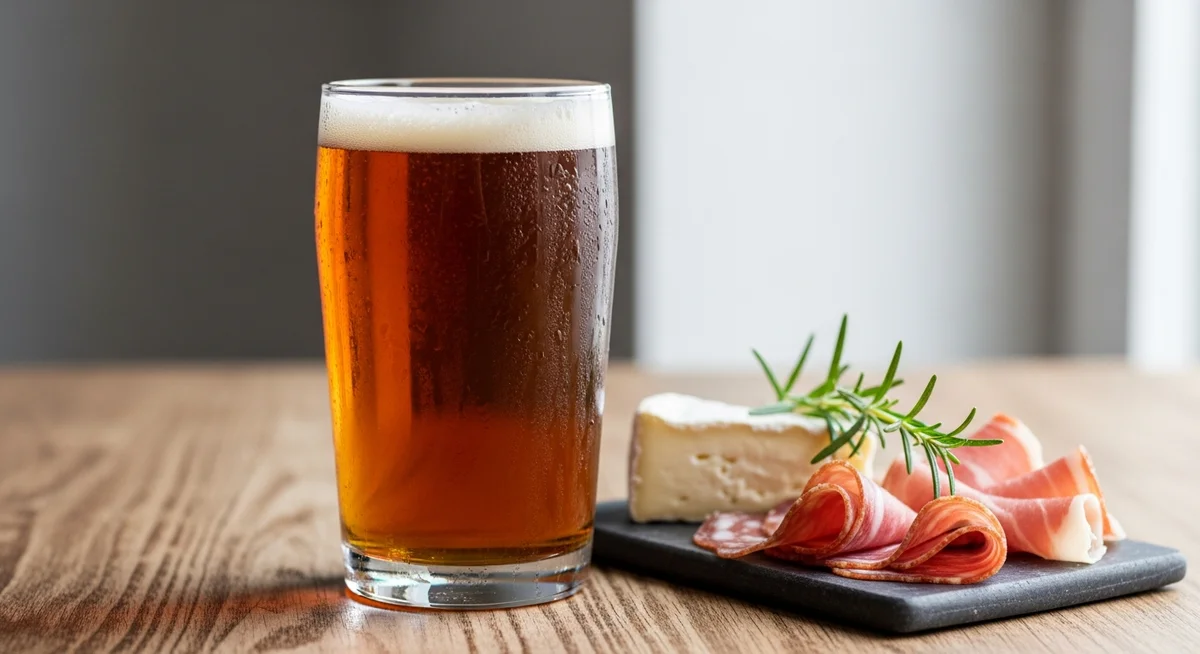
Common craft ales are known for their robust, expressive flavor profiles that range from highly bitter and tropical to deeply roasted and sweet. These beers are brewed with warm-fermenting yeast, which produces a wide range of fragrant compounds during brewing. The official Brewers Association style guidelines recognize dozens of distinct categories within this family.
These beers are highly adaptable to creative brewing techniques, including heavy dry hopping and the addition of specialty grains. Whether you prefer a light, refreshing blonde ale or a rich, dark imperial stout, the ale family has a style to suit your preferences. Tasting draft selections reveals how much character these warm-fermented yeasts can produce.
Why Are Pale Ales and India Pale Ales (IPAs) So Popular?
Pale ales and IPAs dominate the craft beer landscape because of their bright, hop-forward profiles that deliver citrus, pine, and tropical fruit notes. These styles showcase the incredible range of hops, moving from a mild bitterness to intense herbal aromas. They have become the benchmark styles for showcase hops, balancing various levels of bitterness with a clean malt finish.
- American Pale Ale (APA): Features a balanced malt profile with moderate hop bitterness and a clean finish, usually sitting around 5.0% ABV.
- American IPA: Offers a pronounced hop bitterness, usually ranging from 50 to 70 IBUs, with heavy citrus and pine notes.
- Hazy IPA: Known for its cloudy appearance, soft mouthfeel, and low bitterness, highlighting juicy tropical fruit flavors.
- Imperial IPA: A strong, intense version with an ABV exceeding 8.0% and a deep, resinous hop character.
What Makes Stouts and Porters So Dark and Rich?
Stouts and porters get their dark appearance and roasted profiles from heavily kilned malts and roasted barley. These grains introduce comforting notes of espresso, cocoa, and dark chocolate to the glass. While they look intimidatingly dark, they are often surprisingly smooth and approachable.
- Irish Dry Stout: A light-bodied, highly carbonated classic with a sharp coffee bitterness, often served on nitrogen gas for a creamy head.
- Oatmeal Stout: Brewed with oats to create a silkier body and a soft, sweet finish that balances the roasted malts.
- American Imperial Stout: A massive beer with an ABV of 9.0% or higher, featuring aggressive hop bitterness and deep dark chocolate notes.
How Do Brown, Amber, and Red Ales Get Their Color?
Brown, amber, and red ales get their signature colors from specialty malts toasted at moderate temperatures. These grains add warm tones of amber and deep copper along with flavors of caramel, biscuit, and nuts. The result is a balanced beer that offers both malt depth and moderate hop presence.
These styles offer an excellent middle ground between light pale ales and heavy roasted stouts. Expert tasters at Serious Eats note that American amber ales bridge this gap beautifully by balancing sweet caramel malts with a clean, hop-forward finish. English brown ales focus more on dry biscuit and hazelnut notes, while Irish red ales offer a clean malt profile with a dry, roasted finish.
What Is the Appeal of Wheat Beers and Hefeweizens?
The appeal of wheat beers and hefeweizens lies in their refreshing lightness and yeast-driven flavors of banana, clove, and citrus. Because wheat contains high protein levels, these beers typically feature a signature hazy appearance and a thick, creamy head of foam. They are highly refreshing and perfect for warm afternoons.
German hefeweizen is the classic representation, brewed with a high percentage of malted wheat and expressive yeast. Belgian witbier offers a lighter, spiced alternative, brewed with unmalted wheat, sweet orange peel, and coriander. These highly carbonated brews are perfect introductory options if you prefer low-bitterness drinks.
Why Do Belgian Ales and Sours Taste So Unique?
Belgian ales and sour beers taste unique because they rely on expressive yeast strains, wild bacteria, and rustic fermentation techniques rather than heavy hop bitterness. These traditional methods yield spicy, fruity, or pleasantly tart flavors that set them apart from standard domestic beers. This category includes some of the most complex and historically significant styles.
- Saison (Farmhouse Ale): A highly carbonated, bone-dry style featuring peppery yeast notes and a refreshing finish.
- Belgian Tripel: A golden, strong ale with an ABV of 7.5% to 9.5%, offering a sweet start and a complex, spicy yeast finish.
- Gose: A historic German sour wheat beer brewed with coriander and salt, delivering a tart, refreshing, and slightly savory palate.
- Flanders Red Ale: A wood-aged sour beer showcasing sharp lactic acidity and rich notes of dark cherry and red wine.
What Are the Common Craft Lager Styles?
Common craft lagers focus on clean, crisp, and highly refreshing profiles that showcase bready malts and delicate herbal hops. Unlike ales, they undergo an extended cold maturation process that purges yeast byproducts for a smooth finish. The lager family stands out for its specific brewing characteristics.
- Clean fermentation: Cold-fermenting lager yeast produces minimal fruity or spicy esters, keeping the focus on bready malt and herbal hops.
- Palate-cleansing carbonation: High carbonation levels help clean the tongue, making lagers exceptionally food-friendly.
- Lager maturation: The traditional cold-aging process takes anywhere from 4 to 8 weeks to allow the beer to mellow and clarify naturally.
How Do Pilsners and Pale Lagers Define Crispness?
Pilsners and pale lagers define crispness through their light bodies, dry finishes, and assertive herbal hop bitterness. They are engineered to be clean and refreshing without any lingering sweetness. They represent the ultimate test of a brewer’s technical skill.
German-style pilsners are characterized by a light straw color, a clean malt base, and a prominent spicy bitterness from noble hops. Bohemian pilsners feature a slightly richer, golden malt character and a rounder bitterness. Both styles rely on precise temperature controls, making them a favorite choice among craft beer enthusiasts.
Why Are Amber and Dark Lagers Gaining Popularity?
Amber and dark lagers are gaining popularity because they offer the complex, toasted flavors of dark malts while retaining the light, crisp finish of a lager. They provide a perfect option for drinkers who want depth of flavor without the heavy warmth of an imperial stout. They are excellent food pairing companions.
Vienna lager is a prominent amber style, delivering smooth caramel and toasted bread notes with a moderate, balancing bitterness. Munich dunkel and German schwarzbier represent the darker side, bringing delicate flavors of dark chocolate, coffee, and roasted nuts. These dark lagers remain light on the palate and finish clean, making them excellent companions for roasted meats and rich dinners.
When Should You Drink Specialty, Hybrid, and Wood-Aged Beers?
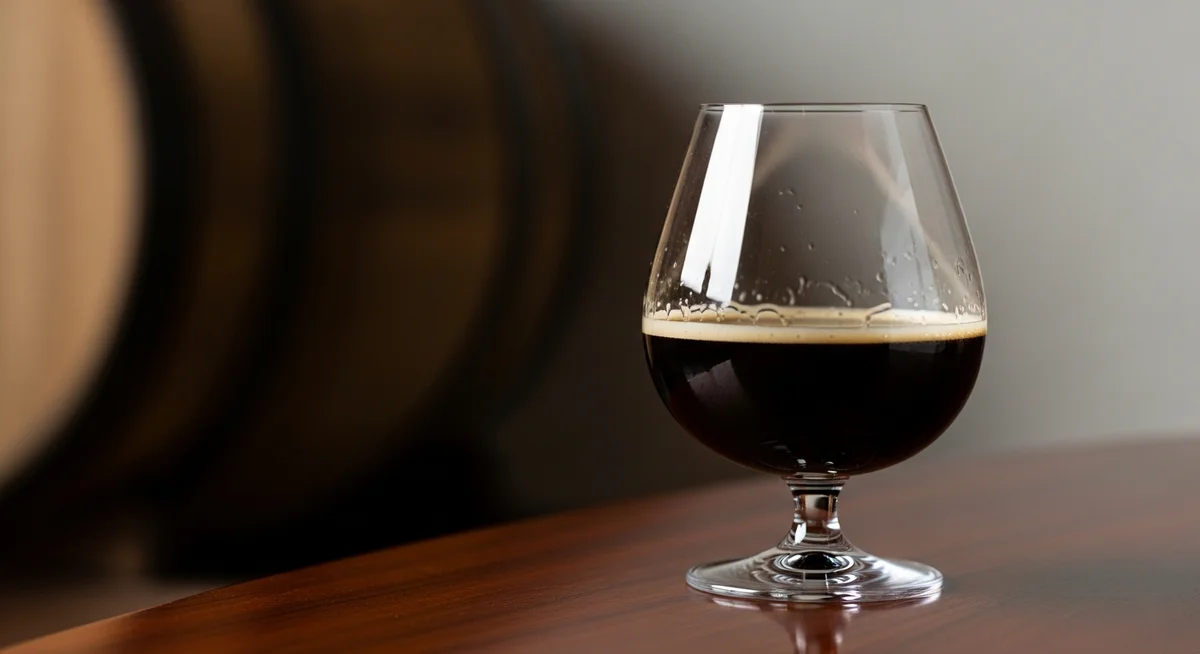
You should drink specialty, hybrid, and wood-aged beers when you want to explore unconventional brewing boundaries, such as barrel maturation, wild yeast fermentation, or mixed-style brewing. These beers are ideal for slow sipping, special occasions, or complex food pairings. They challenge traditional definitions of what beer can be.
Hybrid styles like cream ales or California commons blend the lines by using warm-fermenting yeasts at cool temperatures, or vice versa. Wood-aged beers often spend months or years in oak barrels, absorbing tannins, vanilla notes, and spirits like bourbon. According to professional tasting guides published by Serious Eats, these beers can match the complexity of fine wines and are best enjoyed in snifter glasses at a slightly warmer cellar temperature.
What Is the Essential Craft Beer Terminology to Know?
The essential craft beer terminology helps you understand exactly what to expect on a draft list before you take your first sip. Familiarity with basic abbreviations and descriptive terms makes ordering beer at any taproom simple and stress-free. Learning a few craft beer terms for beginners can dramatically improve your confidence when navigating a complex bottle shop.
- Wort: Unfermented beer, which is the sweet liquid extracted from the mashing process before yeast is added.
- Dry Hopping: The process of adding hops to the beer after the boil has finished, which imparts intense aroma without adding bitterness.
- Cask Ale: Unpasteurized, unfiltered beer that undergoes secondary fermentation in the cask and is served at cellar temperature without added carbon dioxide.