THE ESSENTIAL
Navigating local food stalls on vacation offers the fastest, most edible shortcut to a region’s culture, flavor profile, and agricultural calendar through a practical farmers market travel guide approach.
- Visiting regional stalls saves up to 40% on daily food costs compared to traditional sit-down restaurant dining while traveling.
- Over 80% of vendors at certified agricultural hubs are small-scale growers selling harvests picked within 100 miles of the venue.
- Arriving during the first 60 minutes of opening ensures access to rare heirloom produce, warm pastries, and small-batch artisan cheeses before inventory runs out.
Operating hours, seasonal availability, and accepted payment methods vary by location, so confirm current market schedules before planning your visit.
Why Visit Local Farmers Markets When Traveling
Exploring regional food hubs reveals the distinct agricultural personality of a destination better than standard grocery aisles or tourist-focused menus. Direct contact with growers provides insight into regional soil conditions, microclimates, and heirloom seed varieties that define local cooking.
It also supports sustainable land stewardship and keeps your travel spending directly within the destination’s rural economy. You gain immediate access to fresh ingredients that elevate self-catered travel meals and road trip picnics.
- Direct access to micro-regional fruits, vegetables, and heritage livestock products not stocked in commercial supermarkets.
- Significant cost savings on fresh morning pastries, light lunches, and high-quality edible travel gifts.
- Direct interaction with farmers, cheesemakers, and bakers who offer authentic storage and preparation advice.
- A clear, unvarnished window into daily community life and regional food customs away from crowded tourist centers.
Farmers Market Travel Guide: How to Find the Best Markets
Finding genuine agricultural gatherings requires looking beyond general travel brochures. According to Serious Eats, municipal agriculture registers and city council market directories offer the most reliable databases for verifying authentic regional vendors.
Focus on venues that enforce strict producer-only rules to ensure you buy directly from the person who grew or made the item. This prevents resold wholesale produce from cluttering your culinary discoveries.
- Search regional departments of agriculture or local council websites for verified certified producer listings.
- Ask local cafe owners, specialty coffee roasters, or neighborhood bakers where they source seasonal stone fruit and dairy products.
- Look for spaces that mandate a farm radius within 50 to 100 miles of the market footprint.
- Check community bulletin boards in residential neighborhoods for pop-up neighborhood markets operating on specific weekday mornings.
What to Expect When You Arrive
Every market reflects the rhythm of its surrounding countryside and neighborhood design. Knowing how the market space operates helps you move through stalls efficiently while respecting local shoppers.
Layout, Atmosphere, and Peak Hours
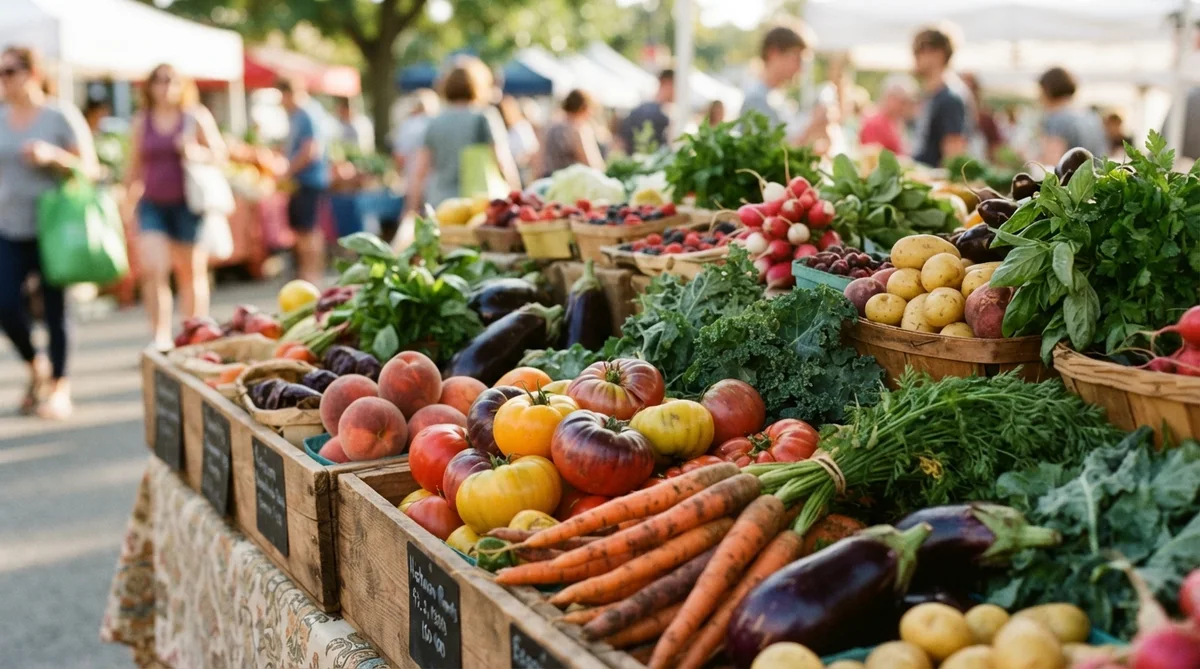
Most outdoor markets arrange vendors in parallel aisles, placing raw agricultural goods, fresh cut flowers, and meats along main pathways while prepared hot food stands gather in central plazas. Early morning hours from 8:00 AM to 9:30 AM draw chefs and serious home cooks hunting for prime ingredients.
When visiting farmers markets on vacation, arriving during these early hours delivers quiet walkways and full vendor tables. Mid-day brings lively crowds, live acoustic music, and long queues at hot food stalls.
Payment Methods and Currency Etiquette
While many modern urban vendors accept contactless card transactions or mobile payments, rural stallholders often rely on physical cash. Carrying small physical denominations like $1, $5, and $10 bills keeps transactions efficient for small purchases.
Tender exact change whenever possible during early morning hours when vendors have limited cash reserves in their coin boxes. Digital payment apps may suffer from poor cell service in rural valley setups, making cash the most reliable backup.
Essential Preparation and Packing Tips
A successful trip to a morning market relies on having the right gear in your daypack. Being equipped for fresh samples and delicate produce prevents bruised fruit and warm cheese by early afternoon.
- Pack two sturdy canvas tote bags and a few washable mesh produce sacks to eliminate fragile single-use plastic bags.
- Bring a compact insulated lunch pouch with a reusable ice pack if you plan to purchase goat cheeses, fresh fish, or smoked meats.
- Carry a small pocket knife, a reusable bamboo cutlery set, and cloth napkins for spontaneous park picnics.
- Keep hand sanitizer and moist wipes accessible for clean hands after tasting sticky tree-ripened fruit samples.
What to Buy: Travel-Friendly Produce and Goods
Selecting items that hold up well in a hotel room mini-fridge or a rented holiday apartment keeps your food budget efficient. Understanding how to buy at regional food markets ensures your purchases stay fresh throughout your trip.
| Category | Recommended Items | Travel Suitability | Shelf Life |
|---|---|---|---|
| Hard Produce | Apples, citrus, root crops, squash | High (durable in totes) | 1 to 3 weeks |
| Artisan Pantry | Raw honey, hot sauce, olive oil, preserves | High (sealed containers) | 6 to 12 months |
| Hard Cheeses | Aged gouda, cheddar, pecorino, parmesan | Moderate (needs cool storage) | 1 to 2 weeks |
| Baked Goods | Sourdough loaves, rustic rye, biscotti | Moderate (protect from crushing) | 2 to 5 days |
Local Produce and Seasonality
Buying produce at its natural peak provides superior sugar levels and vibrant flavor profiles. As noted by the Michelin Guide, cooking with hyper-seasonal ingredients allows diners to experience produce at its absolute peak balance of acidity and sweetness.
Target crops unique to the area, such as crisp Rainier cherries in the Pacific Northwest, heirloom purple figs in coastal California, or fragrant wild chanterelles in northern forest regions. Ask growers which varieties are ripe today rather than relying on uniform appearance.
Portable Snacks and Prepared Foods
Prepared food stalls offer high-value local meals at a fraction of brick-and-mortar restaurant prices. Look for long queues of neighborhood residents lining up for hot pupusas, wood-fired flatbreads, empanadas, or savory quiches.
Pair a warm sourdough bag flour loaf with local cultured butter and salt for an immediate park bench breakfast. These freshly made food stands provide immediate insight into local immigrant foodways and traditional street snacks.
Non-Perishable Souvenirs and Artisan Goods
Edible gifts offer a practical way to take your travel memories home without adding unnecessary clutter. Single-origin raw honey, small-batch hot sauces, sun-dried chili blends, and cold-pressed olive oils pack easily in checked luggage.
Look for dried herbal tea blends made from regionally forage flowers or hand-milled soaps crafted with local goat milk and lavender. These non-perishable goods support regional craftspeople while fitting easily into carry-on luggage allowances.
Market Etiquette for Visitors
Navigating a busy working market requires courtesy toward both the growers selling their yield and the residents completing their weekly grocery shopping. Good market etiquette protects delicate farm goods and maintains a welcoming atmosphere for everyone.
- Ask before handling soft berries, ripe figs, or delicate heirloom tomatoes to prevent bruising farm stock.
- Pay the posted price without aggressive haggling, as agricultural prices reflect fixed seasonal farm labor and transport costs.
- Keep pets on short leashes or leave them at your accommodation, as local health codes frequently prohibit animals near open food stands.
- Step to the side of narrow pedestrian walkways when taking photographs or adjusting daypacks to keep customer traffic flowing smoothly.