
WHAT YOU NEED TO KNOW
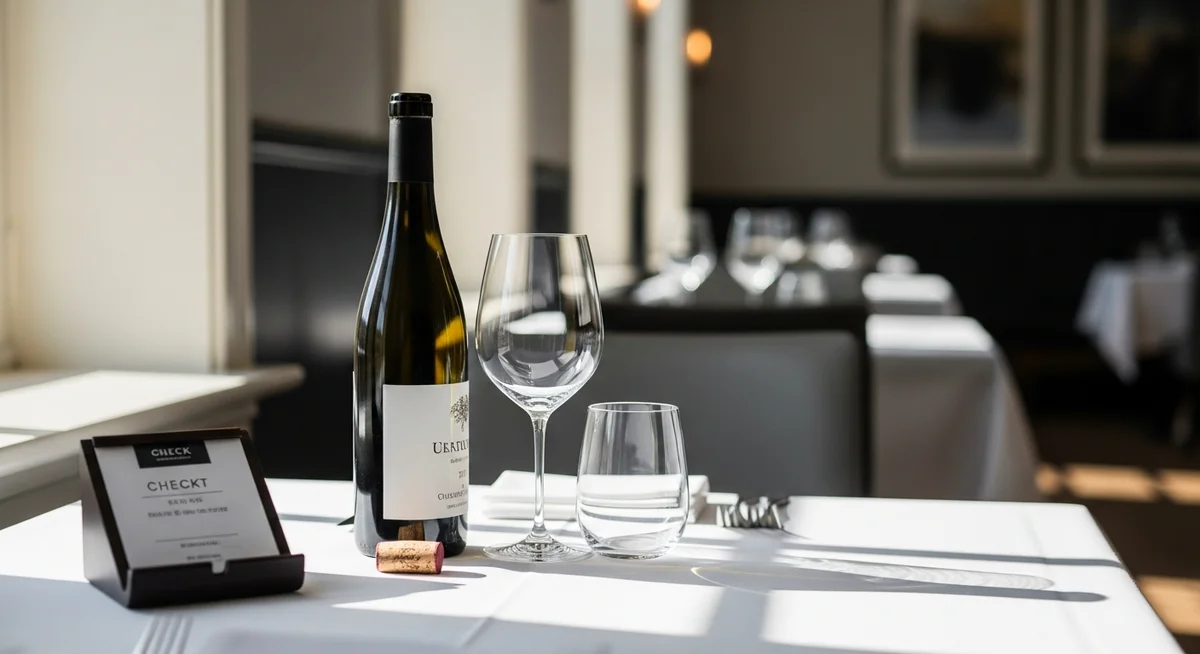
Understanding what is a corkage fee can save you from unexpected surprises on your dinner bill while allowing you to enjoy your favorite vintages with restaurant-caliber food.
- Most restaurants charge a fee of $15 to $50 per bottle, though prestigious fine dining venues may charge $100 or more.
- The fee pays for professional wine service, including the use of premium stemware, decanting, and the server’s time.
- Many establishments will waive the corkage fee if you purchase another bottle directly from their list in addition to bringing your own wine to restaurant tables.
Always verify local laws and the specific venue’s policy beforehand, as some states outright ban bringing outside alcohol into a licensed restaurant.
What Is a Corkage Fee?
A corkage fee is a standard service charge billed to diners who bring their own bottles of wine to a restaurant. This charge allows guests to enjoy personal, rare, or sentimental bottles alongside professional cuisine. While the practice is common in many culinary capitals, it operates under strict guidelines established by each individual venue.
Understanding how corkage works helps demystify the economics of the dining room. When you bring outside wine, the restaurant loses the high-margin beverage revenue that keeps their business profitable. The fee bridges this financial gap while covering the cost of high-quality glassware, washing, and professional service.
Why Do Restaurants Charge Corkage Fees?
Restaurants do not charge this fee simply to penalize diners. Beverage sales are the financial engine of the hospitality industry, subsidizing the high cost of ingredients and labor. According to Food & Wine, corkage is fundamentally a courtesy extended to guests who wish to enjoy a highly specific or sentimental bottle that the venue cannot otherwise provide.
- Revenue Offset: Wine sales typically carry markups of 300% to 400%. This profit margin covers operational costs that food sales alone cannot support.
- Stemware Maintenance: High-end restaurants invest thousands of dollars in delicate, high-quality crystal glassware. The fee covers the wear, tear, and inevitable breakage of these expensive pieces.
- Professional Service: A trained server or sommelier must manage your bottle. This involves checking the temperature, uncorking, decanting if necessary, and continuously refilling your glasses throughout the meal.
- Insurance and Licensing: Operating an establishment with a liquor license carries significant liability and high annual insurance premiums. Restaurants must pay these overhead costs regardless of where the wine was purchased.
How Much Do Corkage Fees Cost?
The cost of corkage varies dramatically depending on the restaurant’s style, location, and wine program. In 2026, dining hubs like New York and San Francisco continue to see a wide range of rates. You should always expect the fee to correlate with the average price of a bottle on the restaurant’s menu.
Average Corkage Fee Rates
At casual and mid-scale neighborhood bistros, a typical fee ranges between $15 and $30 per bottle. Upmarket establishments and fine dining venues often set their fees between $50 and $100. At ultra-exclusive restaurants, especially those holding Michelin stars, corkage fees can soar to $150 or more per bottle to protect their curated cellar sales.
Always verify a restaurant’s pricing before your reservation, as policies can change without warning. A quick call to the host stand can prevent unexpected charges when the final bill arrives.
Are Corkage Fees Charged Per Bottle?
Yes, restaurants charge corkage fees on a per-bottle basis. Standard fees apply to a traditional 750ml bottle of wine. If you plan on bringing a magnum, which is 1.5 liters, most venues will charge double their standard corkage rate.
Many restaurants also enforce a strict bottle limit per table. It is common for venues to cap outside wine at two bottles per reservation to encourage guests to sample from the in-house list. For large parties, the venue might suspend outside wine privileges entirely and require you to purchase directly from their cellar.
Essential Corkage Fee Etiquette
Bringing your own wine to restaurant tables is a privilege, not a right. Following basic table etiquette ensures a seamless experience and shows respect to the culinary team. Adhering to these unspoken rules will make you a welcome guest at any dining establishment.
- Call ahead to ensure the venue permits outside alcohol.
- Verify the wine list to make sure you are not bringing a bottle they already carry.
- Bring high-quality wine rather than mass-market supermarket bottles.
- Offer a taste to your sommelier as a gesture of hospitality.
- Order extra drinks like cocktails or coffee to support their beverage program.
Call the Restaurant to Confirm Their Policy
Never show up with a wine bottle in hand without checking the house rules first. Some establishments have a strict no-outside-wine policy due to local licensing restrictions or business decisions. A brief phone call ensures you are compliant with the restaurant’s current guidelines.
Check the Restaurant’s Wine List First
It is widely considered a major social blunder to bring a bottle of wine that the restaurant already sells. Review their online beverage program before dining to confirm your bottle is not on their list. Bring something unique, older, or hard to find to justify bypassing their curated selection.
Avoid Bringing Cheap or Common Bottles
Corkage is designed for special, rare, or sentimental wines that cannot be easily purchased. Do not bring a mass-market, budget bottle that you bought at a local grocery store for $12. If the corkage fee is higher than the retail cost of the wine, you are violating basic dining etiquette.
Offer Your Server or Sommelier a Taste
If you are opening a genuinely rare, vintage, or highly sought-after wine, offering a small pour to your server or sommelier is an excellent gesture of appreciation. A simple one-ounce taste allows them to experience the wine and builds a wonderful rapport. Restaurant professionals love tasting unique bottles and will appreciate your generosity.
Order an Additional Drink From the Bar
Offset the loss of beverage sales by ordering a round of cocktails or beers from the bar before opening your wine. You can also purchase a half-bottle of dessert wine or a round of digestifs at the end of the night. This ensures the restaurant still benefits from beverage sales while you enjoy your personal bottle.
Do You Tip on a Corkage Fee?
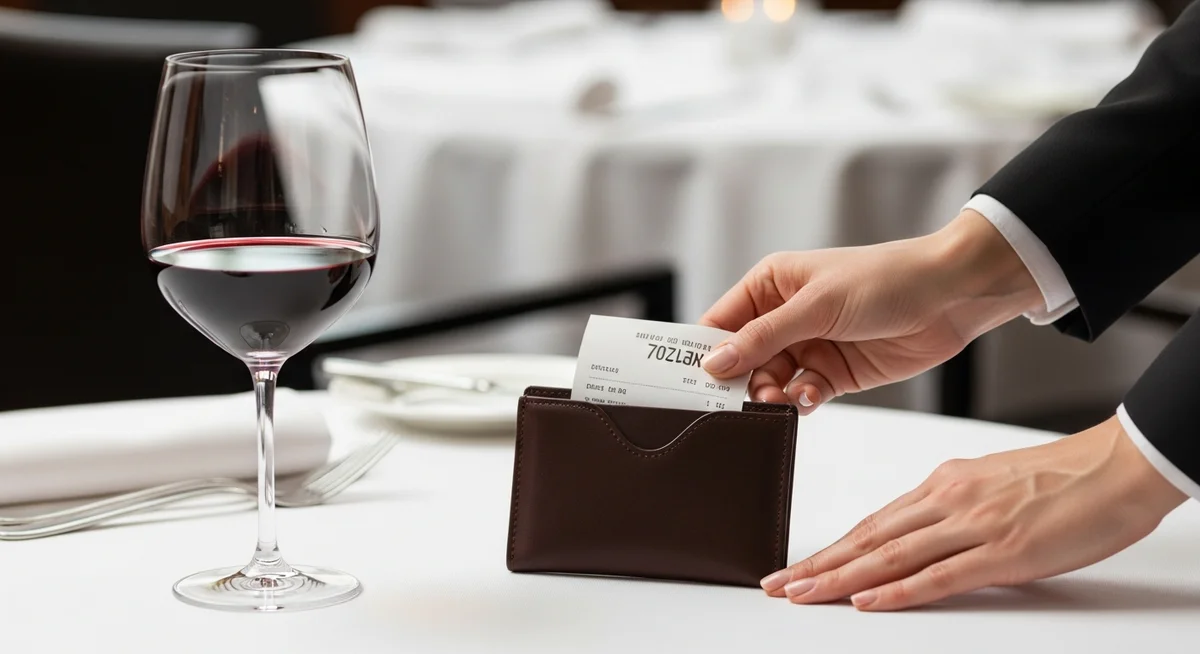
Yes, you should absolutely tip on the corkage fee. The fee is listed as a service charge on your final bill, and your server worked hard to open, pour, and wash the glasses. Calculate your gratuity based on the entire total of the bill, including the added corkage charges.
Many experienced diners recommend tipping a bit extra if the service was exceptional. For example, if you brought a rare vintage that required careful decanting and multiple glassware changes, adding an extra $10 to $20 to the tip is a thoughtful way to reward that expertise. The James Beard Foundation frequently highlights the importance of fair compensation for service staff, who rely heavily on tips to earn a living.
Corkage Fee FAQs
What is the difference between BYOB and a corkage fee?
BYOB stands for Bring Your Own Bottle, which is common in casual, often unlicensed diners where guests pour their own drinks for free. A corkage fee is a formal service fee charged by fully licensed, full-service restaurants that actively manage and pour the wine for you. BYOB is about convenience and saving money, while corkage is about enjoying a specific bottle with high-end hospitality.
Can a restaurant waive the corkage fee?
Yes, restaurants can waive the corkage fee at their own discretion. The most common way to have a fee waived is by ordering an additional bottle of wine from the restaurant’s list. Loyal regular customers, high-spending tables, or guests celebrating major milestones might also find the fee removed from their bill as a courtesy of the house.
Can you take home an unfinished bottle of wine?
In many states and jurisdictions, you are legally allowed to take home an unfinished bottle of wine, provided certain strict safety protocols are followed. This practice protects you from open-container laws while preventing waste.
- The restaurant must securely re-cork the bottle flush with the top of the neck.
- The bottle must be placed in a transparent, tamper-evident bag sealed by the staff.
- The customer must keep the dated purchase receipt attached to the bag during transport.
- You must store the sealed bag in your vehicle’s trunk or behind the last row of seats to remain compliant with traffic laws.