THE ESSENTIAL
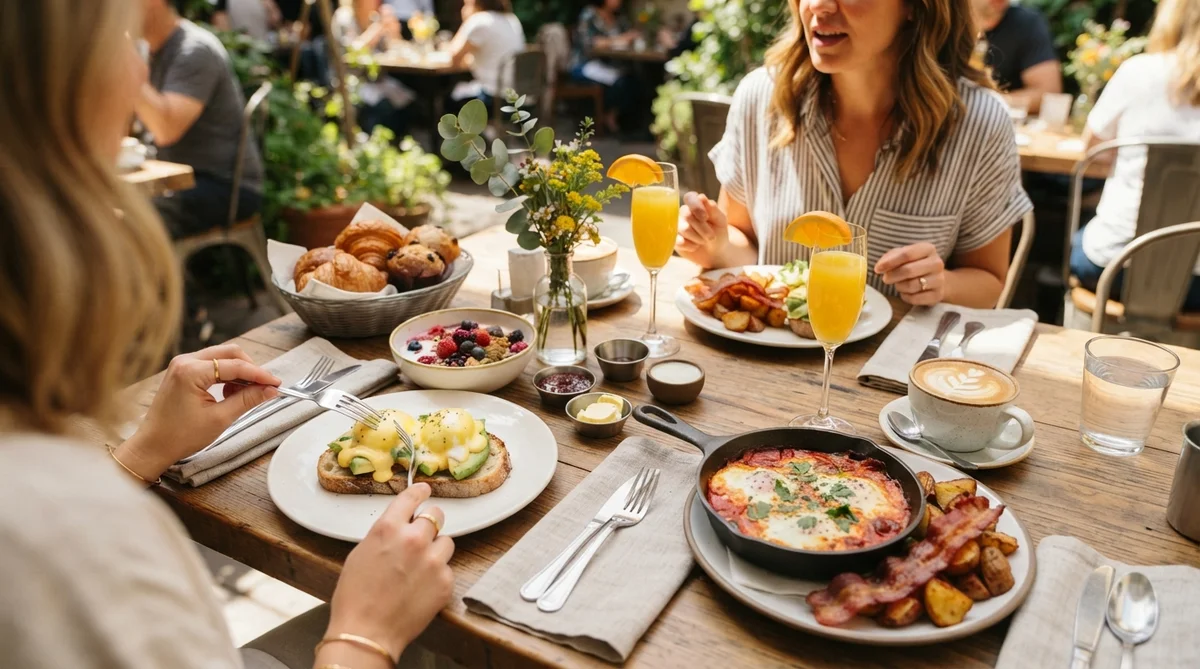
Knowing what is a brunch comes down to understanding a hybrid meal that combines late morning breakfast and early afternoon lunch into a relaxed social gathering.
- Typical timing: Served primarily on weekends between 10:00 AM and 2:00 PM.
- Core menu structure: Combines sweet breakfast items like pancakes with savory fare such as eggs Benedict or burgers.
- Beverage focus: Pairs espresso drinks alongside daytime cocktails like mimosas and Bloody Marys.
While traditional restaurant hours restrict service to Saturdays and Sundays, global variations and daily breakfast cafes continue to expand how and when it is enjoyed.
What Is a Brunch? Definition and Typical Hours
Understanding what is a brunch starts with its name, which is a blend of breakfast and lunch. The meal bridges the gap between early morning dining and mid-afternoon eating, offering a flexible menu that combines egg dishes with heartier lunch fare. It functions as a relaxed social event where diners linger over drinks and shared plates.
Restaurants typically serve brunch between 10:00 AM and 2:00 PM on Saturdays and Sundays. Some venues extend service from 9:00 AM to 3:00 PM to accommodate late risers and weekend dining crowds. Unlike quick weekday meals, weekend brunch usually lasts 60 to 90 minutes or longer.
In commercial settings, traditional dining rules do not apply. Diners can order poached eggs next to a side salad or choose a cheeseburger paired with French toast. Note that venue hours and weekend menu availability vary, so checking service times before heading out is always wise.
The History and Evolution of Brunch
The term first appeared in print in 1895 when British writer Guy Beringer published his essay titled “Brunch: A Plea” in Hunter’s Weekly. Beringer suggested a lighter, mid-day Sunday meal to replace heavy post-church dinners and cater to late-night Saturday partygoers. He argued that a noon meal would promote good cheer and human happiness.
The history of sunday brunch took off commercially in the United States during the late 1890s and 1920s. In New Orleans, Madame Elizabeth Begué pioneered long morning feasts served with champagne and chicory coffee. By the 1930s, luxury Manhattan hotels like the Hotel Lombardy and the Madison elevated the experience into a fashionable ritual featuring live music and savory spreads.
As more women entered the workforce during the mid-twentieth century, preparing elaborate Sunday meals at home became less common. Dining establishments stepped in to fill the gap, turning the late morning gathering into a profitable weekend standard. Over time, the custom expanded across the globe, taking on distinct regional flavors while keeping its casual, celebratory spirit.
What Defines a Great Brunch Menu?
A memorable menu balances rich comfort foods, sweet pastries, and crisp, refreshing drinks. The contrast between sweet maple syrups and savory, fat-rich meats creates its signature appeal. Focusing on high-quality ingredients and careful timing turns standard breakfast items into an exceptional meal.
Essential Sweet and Savory Dishes
The top essential brunch menu items combine classical breakfast comfort with lunch textures. Drawing inspiration from traditional French bistro classics and modern cafes, a balanced menu relies on sharp acids, crisp fats, and soft carbohydrates.
- Eggs Benedict: Poached eggs and Canadian bacon or smoked salmon on toasted English muffins, finished with warm Hollandaise sauce. Food science testing by Serious Eats demonstrates that maintaining butter at 130°F (54°C) is essential for a silky, stable Hollandaise emulsion.
- French Toast and Pancakes: Thick slices of brioche soaked in spiced egg custard, pan-fried until golden, and served with pure maple syrup and butter.
- Avocado Toast: Crushed avocado seasoned with lemon juice, sea salt, and chili flakes, served over toasted sourdough and often topped with poached eggs.
- Chicken and Waffles: Crispy fried chicken served over buttermilk waffles, finished with hot honey or spicy maple glaze.
- Savory Hashes and Chilaquiles: Diced potatoes pan-roasted with onions and bell peppers, or crisp tortilla chips simmered in warm salsa and topped with fried eggs and fresh cheese.
Signature Brunch Cocktails and Beverages
Daytime drinks are a defining element of the meal, offering light alcohol options that pair well with rich savory foods.
- Mimosa: Equal parts chilled sparkling wine like Prosecco and fresh orange juice, served in a champagne flute.
- Bloody Mary: A savory blend of vodka, tomato juice, horseradish, Worcestershire sauce, and spices, garnished with celery or pickled vegetables.
- Espresso and Coffee Drinks: Fresh espresso shots paired with microfoam milk, cold brew coffee, or specialty lattes that balance sweet breakfast items.
- Fresh Juices and Spritzes: Cold-pressed citrus juices or light aperitifs like an Aperol spritz that offer clean, refreshing acidity.
Unique Brunch Styles Around the World
While Western menus frequently feature eggs and toast, mid-morning meal traditions vary around the world.
- Cantonese Yum Cha: A longstanding Cantonese tradition where guests drink hot tea while enjoying small steamed baskets of shrimp dumplings, pork buns, and rice roll noodles. Insights from the Michelin Guide emphasize that classic yum cha relies on quick, freshly steamed baskets served straight from the kitchen.
- Middle Eastern Shakshuka: Eggs gently poached in a spiced sauce of tomatoes, peppers, garlic, and cumin, served alongside warm flatbread, labneh, and fresh cucumber salad.
- Mexican Almuerzo: A heartier morning meal built around dishes like chilaquiles, huevos rancheros, and slow-cooked meats accompanied by warm corn tortillas and beans.
- Scandinavian Smörgåsbord: A cold morning spread featuring pickled herring, cured salmon, dark rye bread, boiled eggs, and sharp cheeses.
Key Tips for Hosting a Successful Brunch
Hosting at home can feel challenging when trying to cook individual egg orders while entertaining guests. Applying basic group dining coordination principles helps keep prep simple so you can enjoy your own party.
- Prepare Casseroles Ahead: Assemble egg stratas or French toast bakes the night before so they are ready to bake in the morning.
- Build a Self-Serve Beverage Bar: Set out cold juice carafes, sparkling wine bottles, and fruit garnishes so guests can mix their own drinks.
- Offer a Mix of Temperatures: Combine one hot savory main with cold fruit platters, bakery pastries, and fresh greens to keep stove prep low.
- Keep Foods Warm safely: Use serving dishes set inside an oven warmed to 170°F (77°C) to hold dishes without overcooking delicate eggs.