
WHAT YOU NEED TO KNOW
Authentic Tex-Mex food is a legitimate regional American cuisine rooted in centuries of Tejano culinary heritage, defined by melted yellow cheese, cumin, wheat tortillas, ground beef, and chili gravies rather than an imitation of interior Mexican cooking.
- Origin Century: Evolved during the 1800s through Tejano home cooks long before Texas achieved statehood.
- Core Spices: Relies heavily on toasted cumin, garlic, and chili powder, introduced by Canary Island settlers in San Antonio in 1731.
- Signature Ingredients: Features yellow cheddar, beef skirt steak, flour tortillas, and slow-simmered lard-based gravies.
- Cultural Recognition: Formally recognized in 1972 as a distinct regional food system rather than a bastardized copy.
Preparation style and meat quality vary across regional kitchens, so confirm venue details and house specialties before planning your visit.
What Is Authentic Tex-Mex Food?
Authentic Tex-Mex food is a distinct regional border cuisine born in Texas from the centuries-old blending of Spanish, Native American, Mexican, and Anglo-American cooking traditions. It relies on local Texas ingredients like cattle beef, wheat flour, and yellow cheddar cheese paired with traditional Northern Mexican cooking techniques.
Rather than a cheap fast-food creation, real Tex-Mex represents the authentic heritage of Tejanos, the original Mexican-descended residents of Texas. It prioritizes bold, hearty flavor profiles built around rich meat gravies, smoky wood fires, and warm spices.
How Does Tex-Mex Compare to Traditional Mexican Food?
Understanding Tex Mex vs Mexican food differences reveals how geography, agriculture, and local livestock shaped two distinct food cultures. While traditional Mexican cuisine varies across 31 states with focus on fresh herbs, white cheeses, corn tortillas, and varied proteins like goat or seafood, Tex-Mex centers heavily on beef, yellow cheese, and flour tortillas.
| Attribute | Authentic Tex-Mex Cuisine | Traditional Mexican Cuisine | Key Distinguishing Factor |
|---|---|---|---|
| Primary Cheeses | Yellow Cheddar, Monterey Jack, processed cheese | Queso Fresco, Cotija, Oaxaca, Panela | Shredded yellow cheese vs. crumbly white cheese |
| Core Proteins | Beef skirt steak, chuck roast, ground beef | Pork, chicken, seafood, goat, turkey | Dominance of cattle beef in Texas ranch culture |
| Tortilla Staples | Wheat flour and corn tortillas equally | Predominantly corn tortillas | Flour tortillas widely used in northern borderlands |
| Dominant Spices | Heavy toasted cumin, garlic powder, chili powder | Fresh cilantro, epazote, dried whole chilies | Cumin is the defining aromatic signature of Tex-Mex |
| Sauce Foundations | Dark beef chili gravy, liquid warm queso | Complex moles, fresh salsas, green/red salsa picante | Thick meat-based gravies smothering enchiladas |
What Is the History and Origin of Tex-Mex Cuisine?
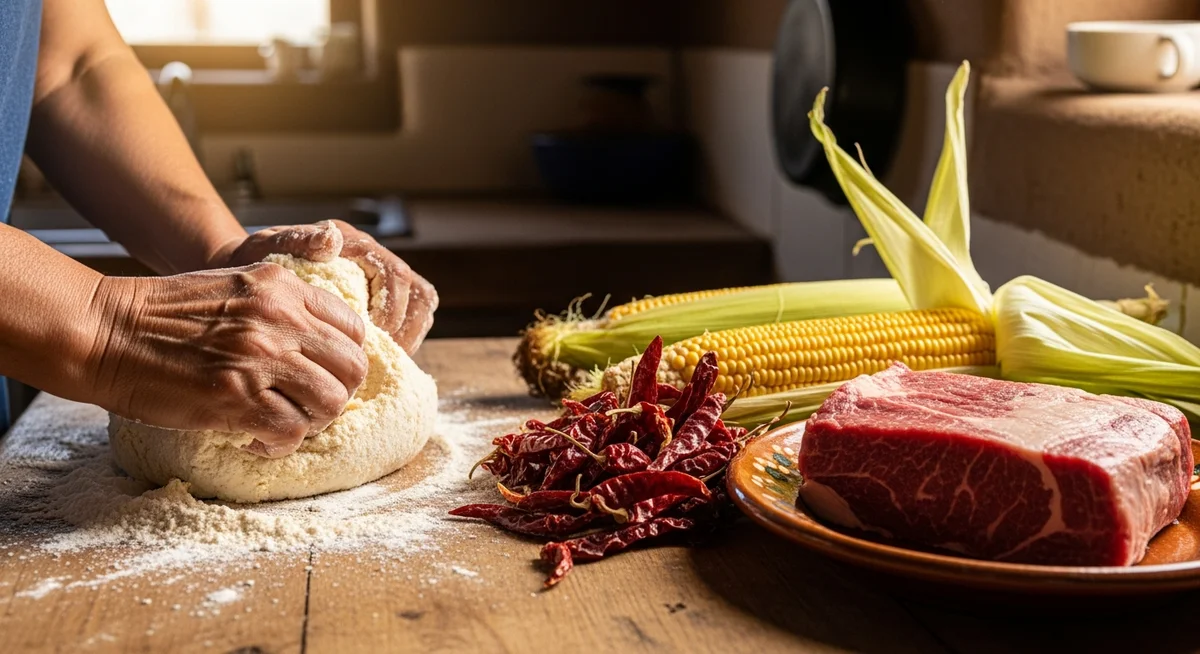
Tex-Mex cuisine evolved across 300 years of Texas borderlands history through practical daily cooking in Tejano ranch kitchens. Long before Texas became part of the United States, native populations and Spanish colonists combined indigenous ingredients like chilies and corn with introduced European cattle and wheat.
As railway networks expanded across Texas in the late 19th century, Anglo settlers began adopting Tejano dishes. Commercial restaurants opened across San Antonio and border towns, adapting recipes for broader public dining while retaining core Tejano flavor foundations.
How Did Tejano Roots Create This Culinary Fusion?
The roots of modern Tex-Mex rest firmly in San Antonio during the late 1800s, where open-air street vendors known as the Chili Queens cooked outdoor cauldrons of spiced beef stew for locals and tourists. According to historical archives preserved by the James Beard Foundation, these female entrepreneurs established Texas chili as a national culinary icon.
Earlier, in 1731, Spanish authorities sent 16 families from the Canary Islands to settle San Antonio. These settlers introduced heavy amounts of cumin, garlic, and coriander into local cooking pots, creating the signature fragrant baseline that still defines the region today.
Which Essential Ingredients Define Tex-Mex Cooking?
Authentic Tex-Mex cooking relies on a specific pantry of staple ingredients that set it apart from neighboring Southwestern food traditions. These ingredients deliver the comforting, savory depth expected in Texas border dining.
- Yellow Cheddar and Monterey Jack: Aged yellow cheese brings a sharp, salty depth when baked over enchiladas or melted inside flour tortillas.
- Whole Beef Skirt Steak and Chuck Roast: Heavy reliance on cattle beef stems from the vast historical Texas ranching industry.
- Toasted Ground Cumin: This warm, earthy spice gives Tex-Mex gravies and rice dishes their unmistakably pungent, aromatic signature.
- Texas Chili Powder: A distinct blend of ground dried ancho chilies, garlic, oregano, and cumin used to season gravies and ground beef fillings.
- Wheat Flour Tortillas: Pliable, lard-enriched flour wraps rolled hot off the griddle, ideal for soaking up sauces and grilled meat juices.
- Pinto Beans Simmered with Lard: Slow-cooked beans mashed and fried in pork fat serve as the foundation for every traditional combination plate.
Which Authentic Tex-Mex Dishes Should You Try?
Navigating a classic Tex Mex dishes list requires looking past generic fast-food items to locate traditional border preparations. Genuine venues take pride in house-made lard tortillas, slow-simmered sauces, and fresh wood-fire grilling.
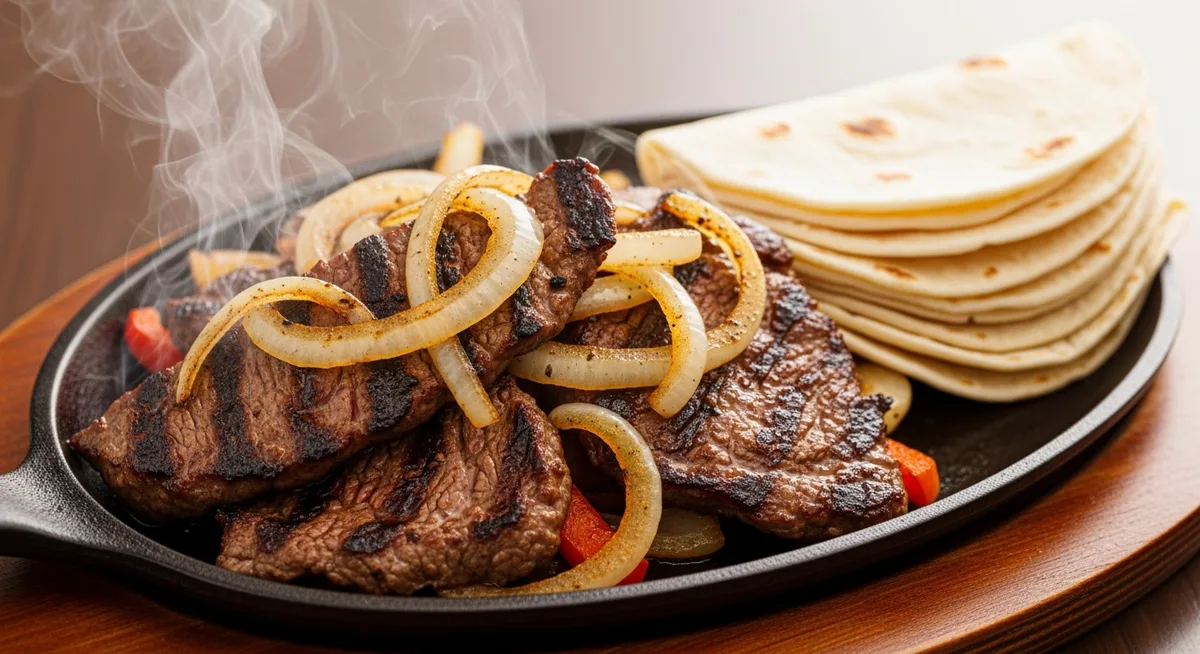
- Sizzling Skirt Steak Fajitas: Charbroiled marinated beef skirt served with seared onions and warm tortillas.
- Texas Chili con Carne: A hearty red beef stew simmered strictly without beans or tomato fillers.
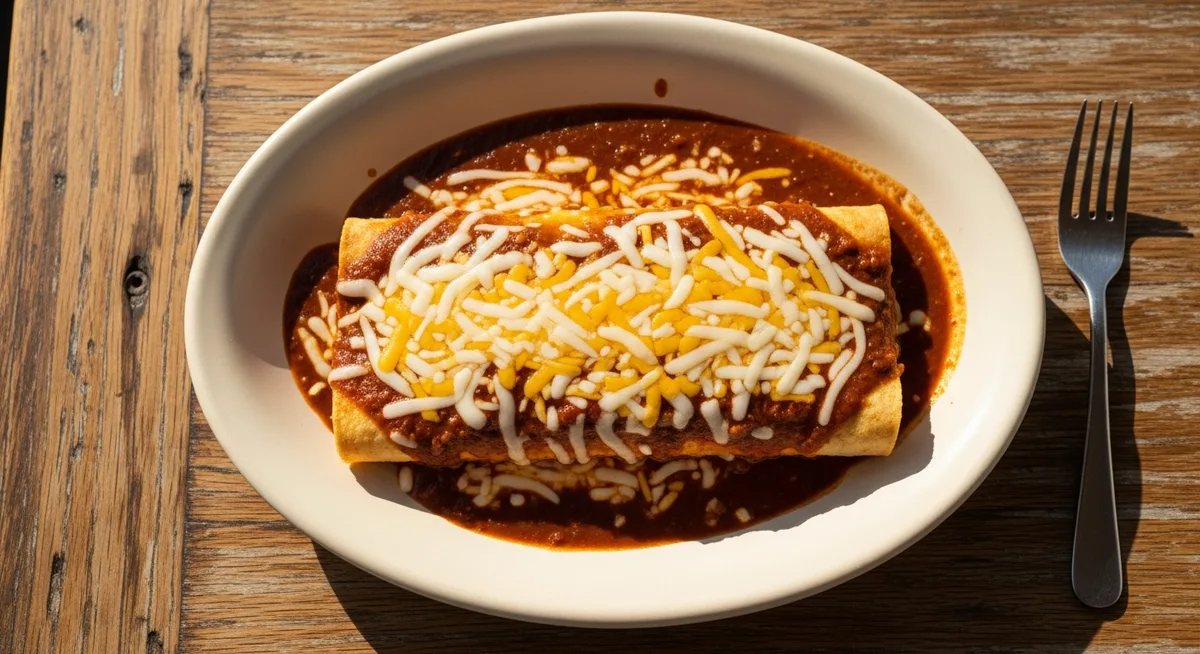
- Cheese Enchiladas in Chili Gravy: Yellow cheddar wrapped in dip-fried corn tortillas and smothered in rich meat sauce.
- Chili Con Queso and Loaded Nachos: Melted cheese dip infused with diced green chilies and served alongside single-draped tortilla chips.
Sizzling Fajitas
Fajitas originated as a clever solution by Mexican vaqueros (cowboys) working on South Texas ranches during the 1930s. Workers were given skirt steak, a tough cut of beef beef diaphragm, as part of their pay. They marinated the meat in lime juice, grilled it over mesquite coals, and sliced it thin across the grain.
When served today on hot iron platters, authentic fajitas showcase deeply caramelized beef paired with grilled sweet onions, fresh guacamole, sour cream, and hot flour tortillas.
Chili con Carne
Chili con carne is the official state dish of Texas, featuring hand-cubed beef chuck simmered down in a rich paste made from rehydrated ancho and pasilla chilies. Authentic versions explicitly exclude kidney beans and tomato sauces, relying purely on meat, chili paste, beef stock, garlic, and heavy ground cumin.
On my last visit to an old-school San Antonio cafe, the bowl arrived glistening with a dark red layer of chili oil, offering a deep, smoky heat that warmed the palate without blistering it.
Cheese Enchiladas with Meat Gravy
Cheese enchiladas represent the definitive crown jewel of classic Tex-Mex cuisine. Cooked corn tortillas are briefly flashed in hot oil to soften, filled with shredded yellow cheddar and diced raw onions, then rolled tight inside a heavy baking dish.
The entire dish is smothered in chili gravy, a glossy brown sauce made from a roux of lard, flour, chili powder, cumin, and beef broth. The dish bakes until the cheese melts into a velvety interior beneath the savory gravy.
Queso and Loaded Nachos
True Texas queso is a smooth, hot cheese dip made by melting American white or yellow cheese with chicken stock, evaporated milk, diced tomatoes, and green chilies. It maintains a pourable, silky consistency ideal for dipping fresh corn tortilla chips.
Traditional Texas nachos differ sharply from stadium-style pileups. As documented in culinary studies by Serious Eats, classic border nachos are assembled individually: single tortilla chips laid flat, individually topped with refried beans and pickled jalapeños, then baked under a blanket of melted cheese.
What Are the Key Tex-Mex Cooking Techniques and Flavor Profiles?
Tex-Mex cooking relies heavily on blooming spices in hot fat before adding liquid. Chefs toast whole cumin seeds and dry chili powders in hot oil or lard, unlocking rich oil-soluble flavor compounds that cannot be replicated by simple boiling.
High-heat sear techniques over live mesquite wood fire impart signature smokiness to skirt steak and poultry. Meanwhile, quick oil-dipping protects corn tortillas from absorbing liquid and becoming soggy when baked under heavy beef gravies.
What Are the Common Misconceptions About Tex-Mex Authenticity?
The most common misconception is that Tex-Mex is an unauthentic, commercialized copy of Mexican cuisine created for American palates. In reality, food historians emphasize that Tex-Mex developed naturally as a regional borderland cuisine long before state borders were formalized.
Another myth suggests that all Tex-Mex food is excessively fiery. Genuine Tex-Mex prioritizes earthy warmth, rich fats, and aromatic garlic-cumin baselines over raw, stinging chili heat, allowing the rich flavors of beef and baked cheese to shine.