WHAT YOU NEED TO KNOW
Learning how to eat well while traveling on a budget relies on smart local sourcing rather than self-deprivation.
- Choosing lodging with kitchen facilities can lower daily meal expenses by up to 50 percent globally.
- Midday dining offers substantial savings, as restaurant lunch specials are typically 30 to 40 percent cheaper than identical evening menus.
- Prioritizing authentic street food allows travelers to experience regional specialties for under $5 to $10 per meal in most destinations.
The single most important factor is skipping the hotel breakfast addon and finding neighborhood options instead.
Smart Accommodation Strategies
Book Stays with Free Breakfast
Booking accommodation that includes breakfast in the room rate is a reliable way to secure your first meal of the day without extra expense. However, you must ensure the breakfast is truly included in a single flat rate, rather than added as an expensive daily surcharge. Many boutique hostels and family-run guesthouses offer substantial morning spreads of local breads, cheeses, and eggs. On my recent travels, I saved significant amounts in expensive cities like Tokyo simply by utilizing the high-quality, free breakfast options provided at my lodgings.
Note that breakfast details at any named lodging change and should be confirmed before booking. Eating a hearty morning meal also keeps you full longer, reducing the temptation to buy expensive mid-morning snacks. I always look for options that feature local specialties, which gives you a taste of the regional food culture right at the start of your day.
Choose Lodging with Kitchen Access
Selecting a rental apartment or hostel with a fully equipped kitchen allows you to prepare simple meals and drastically reduce your total food expenditure. Cooking even one meal a day, such as a quick vegetable scramble or a simple pasta, preserves your budget for exceptional dinners. When traveling in Iceland, where restaurant prices are notoriously high, preparing simple meals in my hostel kitchen allowed me to allocate funds for ice climbing excursions.
Kitchen access also provides an excellent opportunity to experiment with unique local ingredients you find at regional markets. For example, buying fresh seafood or seasonal greens directly from a harbor market and cooking them yourself is both a learning experience and a massive money saver. It also serves as a social hub where you can exchange tips and recipes with fellow travelers.
Strategic Grocery Shopping & Meal Prep
Shop at Local Grocery Stores and Neighborhood Markets
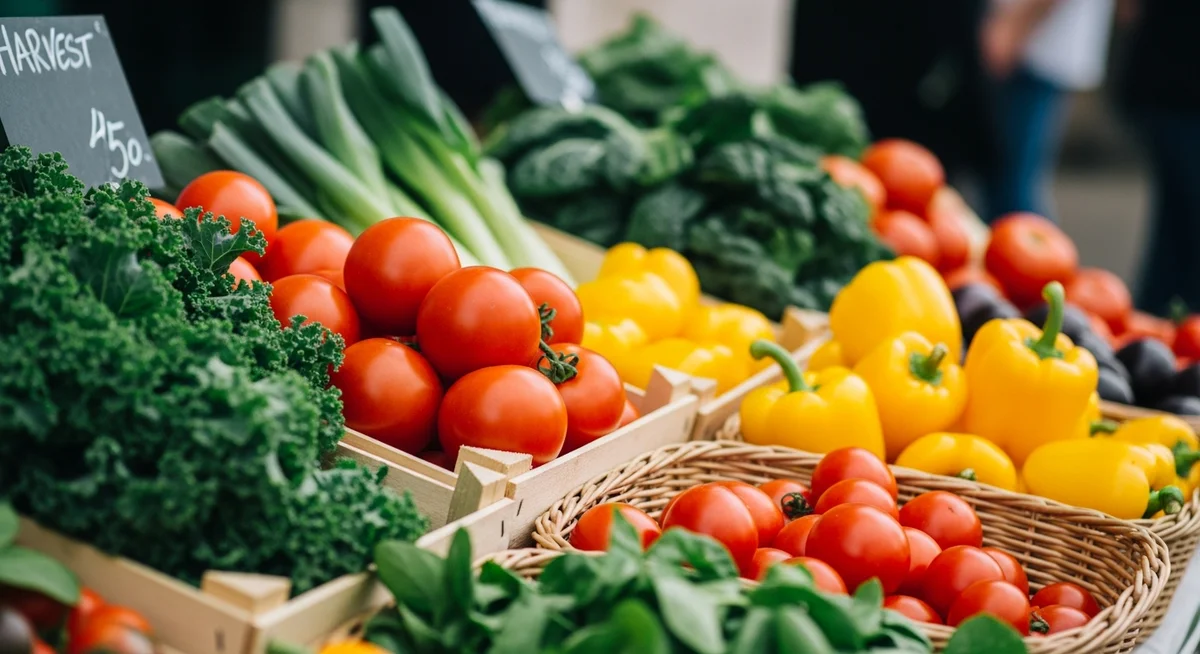
Visiting neighborhood supermarkets and open-air food markets is one of the most effective ways to sample authentic regional food at local prices. These spots are where residents shop, meaning you avoid the tourist markup completely. For instance, you can buy regional staples like French cheeses, fresh baguettes, and cured meats from a local Monoprix in Paris for under 10 dollars in 2026. This allows you to construct a wonderful park picnic that rivals the flavors of any mid-range bistro.
To maximize your budget, focus on these versatile grocery staples:
- Local dairy products: Such as Icelandic skyr or French butter, which offer cheap protein and rich local flavor.
- Pre-boiled eggs and canned fish: Perfect for instant protein without needing a stove.
- Fresh seasonal fruit: Often sold by weight at neighborhood stalls for a fraction of supermarket costs.
Pack Travel Snacks and a Refillable Water Bottle
Bringing lightweight, high-protein snacks from home and carrying a reusable water bottle prevents expensive convenience-store purchases on the road. Airport kiosks and train station shops charge highly inflated prices for basic refreshments. Carrying a collapsible water bottle and refilling it at public fountains or your hotel saves a surprising amount of money over a two-week trip. If the tap water is unsafe to drink, purchasing a single large, multi-gallon container of purified water at a supermarket to refill your personal bottle is far more economical than buying individual plastic bottles.
I always pack instant oatmeal packets and single-serving nut butter packs in my luggage. They take up minimal space and only require hot water, which is easily obtained for free at hotels or coffee shops. This simple morning habit can easily save you 15 dollars per day on breakfast.
How to Eat Well While Traveling on a Budget at Restaurants
Prioritize Lunch Specials Over Dinner
Focusing your restaurant dining on the midday hours allows you to enjoy high-end culinary experiences at a fraction of the cost of dinner. Most mid-range and fine-dining restaurants offer lunch menus or multi-course prix-fixe deals that are 30 to 50 percent cheaper than their evening counterparts. During a trip to Paris, I utilized the Latin Quarter’s lunch specials to enjoy authentic three-course French meals for less than 25 dollars. My evening meals were then kept simple, consisting of fresh fruit, baguettes, and local cheese from the market.
Many Michelin-starred restaurants globally offer daytime menus that make fine dining accessible to budget travelers. Tasting an expertly prepared, delicate fish dish or a rich veloute at noon provides the exact same culinary skill as the dinner service without the steep price tag. Remember to check menus and hours before you go, as restaurant policies and lunch specials can change.
Avoid Tourist Zones and Ask Locals for Recommendations
Steering clear of major plazas, museum entrances, and historic landmarks when choosing a place to eat will protect you from overpriced, subpar meals. Restaurants located directly adjacent to tourist hubs rely on high foot traffic rather than repeat business, resulting in lower quality and higher prices. Instead, walk three to four blocks away into residential neighborhoods where the menus are written in the local language. I always ask transit workers, market vendors, or hotel staff where they personally eat lunch to find the most authentic and affordable spots.
Before planning your next global dining adventure, you can learn about our methodology and how restaurant and travel guides work on our platform to find authentic local favorites. Seeking out places filled with residents guarantees that the prices are fair and the flavors are genuine. Look for chalkboard menus written by hand, which indicate a frequently changing menu based on fresh, seasonal ingredients.
Embrace Local Street Food Culture
Eating at street stalls and night markets is the ultimate way to experience deeply authentic, world-class flavors without the cost of table service. In many culinary destinations, street food represents the pinnacle of the local food culture, prepared by vendors who have spent decades perfecting a single dish. The experts at Serious Eats note that street food stalls often have a faster inventory turnover than standard restaurants, which means the ingredients are exceptionally fresh. According to the Michelin Guide, some of the most memorable dining experiences in Southeast Asia can be found at street carts serving bowls of noodles or plates of roasted meats for less than 5 dollars.
I will never forget sitting on a tiny plastic stool in Hanoi, slurping a steaming bowl of pho noodle soup with rich, aromatic beef broth, fresh cilantro, and a squeeze of lime. The intense steam, the chaotic traffic passing by, and the unmatched depth of the broth cost me a mere 3 dollars in 2026. This style of dining is raw, delicious, and incredibly cheap.
Budget-Friendly Dining Hacks
Set a Limit on Alcohol and Specialty Drinks
Restricting your consumption of alcoholic beverages, sodas, and specialty coffees is one of the easiest ways to keep your daily food budget from ballooning. Beverage markups in restaurants are notoriously high, often doubling the cost of an otherwise affordable meal. If you want to enjoy local beer or wine, purchasing them from local grocery stores or looking for designated happy hour specials will save you a fortune.
Use these practical drinking strategies to protect your wallet:
- Inquire about house carafes: In European countries like Italy and France, ordering the house wine by the carafe is significantly cheaper than ordering by the bottle or glass.
- Buy at duty-free shops: When traveling to destinations with exceptionally high alcohol taxes, like Iceland, purchase your beverages at the airport duty-free shop upon arrival.
- Stick to tap water: Always ask for free tap water where it is safe to drink, rather than paying for premium sparkling or bottled options.
Use Tourism Cards and Food Discount Apps
Leveraging digital technology and city-specific tourism passes can unlock hidden discounts on food and drinks throughout your journey. Many cities offer comprehensive tourism cards that bundle public transportation with free entry to attractions and discounts at partner restaurants. Additionally, localized food apps and reservation platforms frequently offer deep discounts for dining during off-peak hours.
Consider downloading these resources before you travel:
- Surplus food apps: Platforms like Too Good To Go connect travelers with bakeries and cafes selling high-quality surplus food at the end of the day for a third of the retail price.
- Reservation platforms: Many local apps allow you to book tables with discounts of up to 50 percent if you dine early or late.
- City tourism passes: Check the official municipal tourism board website to see if their official city card includes restaurant discount partnerships.
To understand how we manage user information and maintain our editorial standards, you can view our privacy policy. Using these digital tools alongside smart shopping habits ensures you eat incredibly well without overspending.