WHAT YOU NEED TO KNOW
Mastering the wine pairing basics for beginners starts with balancing structural elements like acidity, fat, sweetness, and tannin so that neither the glass nor the plate overwhelms the other.
- Acid matches acid: Foods with high acidity need a wine with even higher acidity, or the wine will taste flat.
- Tannins cut fat: Red wines high in tannins bond with proteins, making fatty meats taste smoother.
- Sweetness needs sweet: Dessert or sweet dishes require a wine that is sweeter than the food to prevent bitterness.
- Intensity is key: Pair light dishes with light wines and bold, heavy dishes with bold wines to keep flavors in harmony.
The most important variable is often the sauce rather than the protein, as a rich sauce can completely change which bottle you should uncork.
How Do Wine and Food Interact on the Palate?
When you take a bite of food and follow it with a sip of wine, a complex chemical reaction happens on your tongue. The characteristics of the food can either soften the harsh edges of a wine or make it taste thin and sour. Understanding this interaction allows you to curate dining experiences that elevate both the plate and the glass.
In 2026, wine professionals emphasize that pairing is less about rigid rules and more about understanding how specific structural elements react. You do not need a culinary degree to grasp these concepts. With a few fundamental guidelines, you can confidently choose the perfect bottle for any meal.
What Are the 6 Basic Tastes in Food and Wine?
To build a foundation, you must break down both your food and your wine into their dominant tastes. According to the master pairing guides published by Wine Folly, wine typically expresses acidity, sweetness, and bitterness, but rarely contains saltiness, fat, or spice. Food, on the other hand, regularly features all six components.
- Acidity: Found in citrus, vinegar, tomatoes, and many white wines, which makes your mouth water.
- Sweetness: Present in sugary sauces, desserts, and sweet or off-dry wines.
- Bitterness: Felt as a drying sensation, common in dark leafy greens, coffee, and tannic red wines.
- Saltiness: Highly common in savory foods, which naturally softens the bitterness of wine and makes it taste rounder.
- Fat: Rich, coating textures from butter, oil, and dairy that require acid or tannins to cut through.
- Spice: The physical heat from chili peppers that can amplify the perception of alcohol and bitterness in wine.
What Is the Difference Between Congruent and Complementary Pairings?
A complementary pairing creates balance by contrasting different taste components. For example, a crisp white wine with high acidity will complement the rich fat of a creamy pasta dish. The acid cuts through the heavy cream, cleansing your palate between every bite.
A congruent pairing works by reinforcing shared flavors between the food and the wine. For instance, matching a buttery oaked Chardonnay with a creamy lobster thermidor creates a harmonious, luxurious texture. Both methods are highly effective, and choosing between them depends on whether you want contrast or amplification.
Why Are Wine Pairing Basics for Beginners So Simple to Master?
Learning the wine pairing basics for beginners does not require memorizing thousands of vintages. Instead, you only need to focus on a few key characteristics of the wine in your glass. By understanding how acidity, tannins, sweetness, and alcohol behave, you can predict how a bottle will interact with your food.
Every grape variety has a distinct personality profile. Once you recognize these structural patterns, choosing a wine becomes second nature. Let us look at the primary elements that define the structure of any bottle.
How Do Acidity, Tannins, and Sweetness Shape a Wine?
These three structural pillars dictate how a wine feels on your palate and how it balances against your food.
- Acidity: Provides freshness and crispness, acting as a palate cleanser for rich, fatty, or salty foods.
- Tannins: Compounds from grape skins that create a drying, astringent sensation in your mouth, which bonds beautifully with animal proteins.
- Sweetness: Relates to the residual sugar left after fermentation, which can balance spicy heat or match sweet glazes.
Why Do Alcohol and Body Matter in a Pour?
The body of a wine refers to its perceived weight and viscosity in your mouth, often described as light, medium, or full. High-alcohol wines, typically those above 14 percent ABV, feel heavier and coat the tongue. Pairing a delicate, poached white fish with a high-alcohol Cabernet Sauvignon will completely drown out the food.
Conversely, a light-bodied wine like Pinot Grigio will get lost next to a rich, slow-braised beef short rib. Matching the weight of the wine to the weight of the food ensures that neither component dominates. This balance allows the subtle nuances of both the dish and the beverage to shine through.
What Are the Simple Rules for Easy Beginner Pairings?
You do not need to overcomplicate your dinner plans to enjoy a great match. Following a few simple rules will keep you from making major pairing mistakes. These guidelines serve as an excellent starting point for any casual meal or dinner party.
How Do You Match the Intensity of Wine and Food?
The intensity of a dish is determined by its cooking method, spice level, and heavy ingredients.
- Pair delicate dishes, such as raw oysters or steamed vegetables, with light, crisp white wines.
- Match moderately rich dishes, like roasted chicken or pork chops, with medium-bodied whites or light reds.
- Reserve heavy, slow-cooked dishes, like grilled steaks or rich stews, for bold, high-tannin red wines.
Why Should You Pair Wine with the Sauce, Not Just the Meat?
The sauce is almost always the dominant flavor force on the plate. For example, a plain chicken breast is a neutral canvas. If you prepare that chicken with a zesting lemon-caper sauce, it requires a high-acid white wine like Sauvignon Blanc to match the citrus notes.
If you take that exact same chicken breast and smother it in a dark, smoky barbecue sauce, a white wine will taste weak and sour. Instead, you should reach for a bold, smoky red wine like a Syrah or Zinfandel. Always analyze the sauce first before selecting your bottle.
How Do You Keep Sweetness and Acid Levels Balanced?
The food scientists at Serious Eats demonstrate that food components can dramatically alter our perception of wine structure. For example, if you eat a sweet dessert with a dry wine, the food strips away the wine’s fruitiness, leaving it tasting bitter and astringent. Therefore, the wine must always be sweeter than the food on the plate.
Similarly, high-acid foods like salads with vinaigrette or tomato-based pasta will make a low-acid wine taste flat and dull. Ensure your wine has a higher level of acidity than the dish it accompanies. This simple step keeps the wine tasting fresh, vibrant, and alive throughout the meal.
Ultimate Wine and Food Pairing Chart
This quick-reference guide simplifies the pairing process by matching classic wine styles with their ideal culinary partners.
| Wine Style | Key Profile | Ideal Food Match | Pairing Principle |
|---|---|---|---|
| Crisp White | High acid, citrus | Oysters, green salads, goat cheese | Acid cuts through salt and tangy fat |
| Rich White | Buttery, medium acid | Lobster, roasted chicken, cream pasta | Congruent richness coats the palate |
| Light Red | Low tannin, red fruit | Salmon, duck, mushroom risotto | Subtle tannins balance delicate fats |
| Bold Red | High tannin, dark fruit | Grilled ribeye, smoked cheese, venison | Tannins bind to heavy proteins and fats |
| Sparkling | High acid, effervescent | Fried chicken, potato chips, soft Brie | Bubbles cleanse heavy, oily textures |
Which Classic Pairings Fit Your Wine Style?
Every wine style has a natural affinity for certain ingredients and preparation methods. By categorizing wines into five broad styles, you can easily find matches that highlight the best qualities of each bottle. Let us examine how to pair these styles for maximum flavor impact.
How to Pair Bold Red Wines (Cabernet Sauvignon, Syrah, Zinfandel)?
Bold red wines have intense dark fruit flavors and robust tannin structures that demand rich, substantial foods.
- Enjoy a classic Cabernet Sauvignon with a marbled ribeye steak, where the fat softens the intense tannins.
- Pair a smoky Syrah with slow-smoked barbecue pork ribs to mirror the wood-smoke notes.
- Match a jammy Zinfandel with a rich pepperoni pizza or wood-fired flatbread.
What Works Best with Light Red Wines (Pinot Noir, Gamay)?
Light red wines feature bright acidity, soft tannins, and fresh red berry notes, making them incredibly food-friendly.
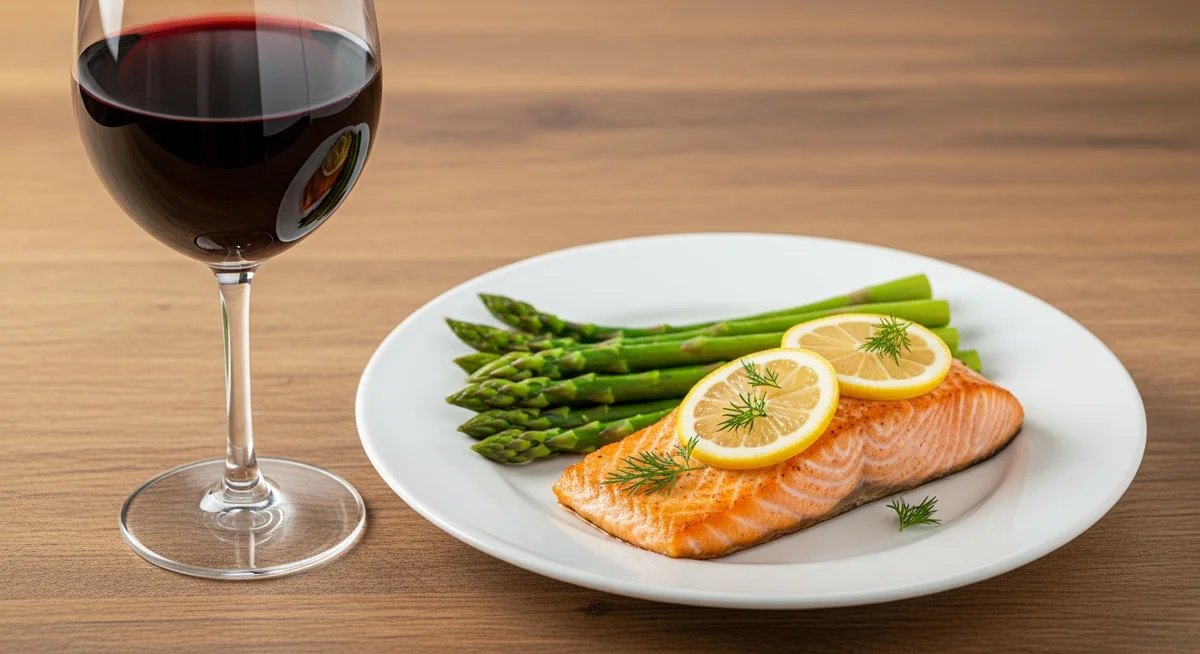
- Serve an elegant Pinot Noir with seared salmon fillets or pan-roasted duck breast.
- Pair a vibrant Gamay with a charcuterie board featuring cured meats and soft cheeses.
- Combine these wines with earthy wild mushroom dishes to complement their forest-floor undertones.
How do You Match Crisp White Wines (Sauvignon Blanc, Pinot Grigio)?
Crisp, light white wines are celebrated for their zesty citrus flavors and clean, refreshing finishes.
- Pour a grassy Sauvignon Blanc alongside tangy goat cheese crostini or fresh pesto pasta.
- Match a clean Pinot Grigio with light seafood dishes like grilled shrimp or ceviche.
- Use these wines to balance the acidity of tomato-based appetizers like bruschetta.
What Fits Rich White Wines (Chardonnay, Viognier)?
Rich white wines often undergo oak aging, resulting in a fuller body, lower acidity, and creamy, buttery flavors.
- Pair an oaked Chardonnay with butter-poached lobster or creamy corn chowder.
- Match an aromatic Viognier with roasted turkey or mildly spiced cashew curries.
- Combine these wines with roasted root vegetables to highlight their natural sweetness.
Why Choose Sparkling and Rosé Wines?
Sparkling wines and dry rosés are the ultimate utility players of the wine world, capable of pairing with almost anything.
- Serve sparkling Prosecco or Champagne with salty, fried foods like french fries or crispy fried chicken.
- Pair a dry Provençal rosé with grilled summer vegetables, light salads, or grilled chicken.
- Use the effervescence of sparkling wine to cut through the rich, gooey fat of warm Brie cheese.
How Should You Pair Wine by Food Category?
Sometimes you start with a specific ingredient in mind rather than a bottle from your cellar. Understanding how major food categories interact with wine makes it easy to shop for the right bottle. Let us break down the main food groups you will encounter on your dining table.
What Rules Apply to Red and White Meats?
Red meats like beef, lamb, and venison have dense muscle fibers and high fat content, which require the high tannin levels found in bold red wines. The tannins physically bind to the proteins on your tongue, softening the wine and highlighting its fruit flavors. White meats like chicken, turkey, and pork tenderloin are much leaner and more delicate, making them highly versatile.
For white meats, you can opt for medium-bodied whites like Chardonnay or light-bodied reds like Pinot Noir. If you want to know more about how we research our culinary recommendations, you can learn about how food travel guides work on our hub. Remember that cooking techniques like grilling add a charred flavor that loves a touch of oak or smoke in the wine.
How Do You Match Fish and Seafood?
Seafood ranges from delicate, flaky white fish to rich, meaty species like salmon and swordfish. Choosing the right wine ensures you do not overpower the delicate oceanic sweetness of the catch.
| Seafood Style | Recommended Wine | Pairing Type | Why It Fits |
|---|---|---|---|
| Raw Oysters | Chablis or Muscadet | Complementary | Saline minerality and razor-sharp acidity match the brine |
| Seared Salmon | Pinot Noir | Complementary | Light tannins and red fruit cut through the oily fish fat |
| Butter Lobster |